Blog

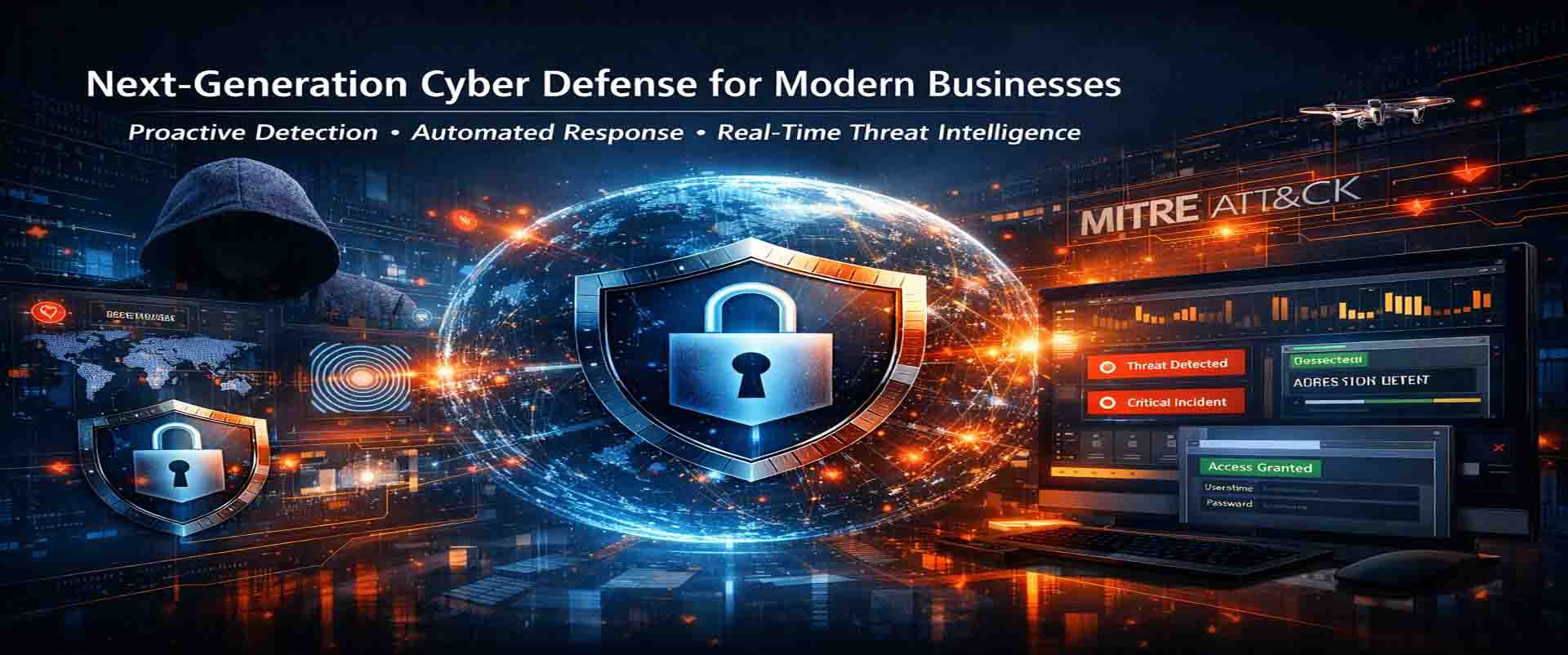
Next‑Generation Cyber Defense

Proactive Detection. Automated Response. Real‑Time Threat Intelligence. Your Security Operations Center, Reinvented.

A Threat‑Intelligence‑Driven SOC Powered by OpenCTI, Elastic & CrowdSec

Most SOC providers react after an attack. We detect and stop threats before they impact your business.

Our platform combines:

  • 20+ real‑time Threat Intelligence feeds
  • Behavior‑based attack detection
  • Automated response actions
  • Full SIEM visibility
  • Live dashboards for executives
  • Secure hosting in Germany

This is enterprise‑grade security — made accessible to every organization.

Our Core Services

SOC‑as‑a‑Service

Continuous monitoring, detection, and alerting — ideal for small and medium businesses.

Managed Detection & Response (MDR)

We don’t just detect attacks — we automatically stop them.

Threat Intelligence Services

Actionable, curated intelligence to strengthen your security posture.

Threat Hunting

Proactive identification of hidden threats inside your environment.

Incident Response

Rapid support during security incidents, including forensic triage.

Our SOC Packages

SOC Light – Essential Cyber Defense

Perfect for small businesses

  • Log monitoring
  • Attack detection
  • Basic alerting
  • Monthly security report

Starting at €99/month

SOC Standard – Complete Protection for SMBs

For companies with growing security needs

  • Everything in SOC Light
  • SIEM analytics (Elastic)
  • Threat‑intel‑based prioritization
  • Weekly reports
  • Incident triage

Starting at €499/month

SOC Premium / MDR – Maximum Security

For organizations that demand the highest level of protection

  • Everything in SOC Standard
  • Active threat blocking
  • Threat hunting
  • Forensic triage
  • 24/7 on‑call availability
  • Custom dashboards

Starting at €1,999/month

Our Technology Advantage

OpenCTI – Real‑Time Threat Intelligence at Scale

We aggregate and correlate data from more than 20 global intelligence sources.

CrowdSec – Automated Attack Detection & Response

Behavior‑based detection with instant remediation actions.

Elastic & Loki – Full SIEM Visibility

Centralized log analysis, correlation, and alerting.

Grafana – Executive‑Ready Dashboards

Clear, real‑time insights for management and IT teams.

Why Businesses Choose Us

  • Proactive security, not reactive firefighting
  • Automated defense mechanisms
  • Transparent dashboards and reporting
  • German hosting & GDPR‑compliant
  • Scalable for any company size
  • Cost‑effective compared to traditional SOCs
PPAP and PPF

Why PPAP & PPF Matter More Than Ever in Modern Manufacturing

If you work in manufacturing, automotive, or supply chain management, you’ve probably heard the terms PPAP and PPF more times than you can count. But for many companies, these processes still feel overly complicated, time-consuming, or just plain stressful.

The truth? They don’t have to be.

At their core, PPAP (Production Part Approval Process) and PPF (Production Process and Product Release) are all about one thing: making sure your parts and processes meet customer requirements—before production problems happen.

And that’s exactly where we come in.

What is PPAP?

PPAP is a standardized process used to prove that a supplier understands all customer requirements and can consistently deliver quality parts.

In simple terms, it answers the question:

“Can you reliably produce this part exactly as required?”

PPAP usually includes:

  • design records
  • process flow diagrams
  • FMEAs
  • control plans
  • measurement reports
  • capability studies
  • sample approvals

Sounds like a lot—and it is. But done correctly, it saves time, money, and headaches later.

What is PPF?

PPF is the German equivalent often used in the automotive industry, especially with OEMs and suppliers in Europe.

It follows the same goal:
validate your production process and approve your product for serial production.

If your business works with German manufacturers or suppliers, PPF is often a mandatory step.

Why Your Business Needs PPAP & PPF Support

Let’s be honest: documentation can slow teams down.

Your engineers want to build.
Your production team wants to manufacture.
Your customer wants parts delivered on time.

Nobody wants delays because of missing paperwork.

That’s why outsourcing or getting expert support makes sense.

With professional PPAP and PPF services, you can:

Save Time

No more struggling through templates or figuring out customer requirements alone.

Avoid Costly Mistakes

A missed document or incorrect approval can delay an entire project.

Improve Customer Confidence

A clean, complete submission shows professionalism—and builds trust.

Stay Compliant

Automotive and industrial customers expect high standards. We help you meet them.

Our PPAP & PPF Services

We support companies with:

  • complete PPAP preparation
  • PPF documentation packages
  • FMEA and Control Plan creation
  • process documentation
  • customer-specific requirements
  • submission reviews
  • gap analysis
  • training and consulting

Whether you need full support or just help with one section, we adapt to your project.

Who We Work With

Our services are ideal for:

  • automotive suppliers
  • manufacturers
  • startups entering OEM supply chains
  • quality departments
  • project managers
  • international suppliers

No matter your company size, we help simplify the approval process.

Let’s Make Approval Easy

PPAP and PPF shouldn’t slow your business down—they should support growth.

Our goal is simple:
make your approval process faster, smoother, and stress-free.

Need support with your next PPAP or PPF submission?
We’re ready to help.

RDP Server for Medium Business

Why Working with an RDP Server Makes Life Easier

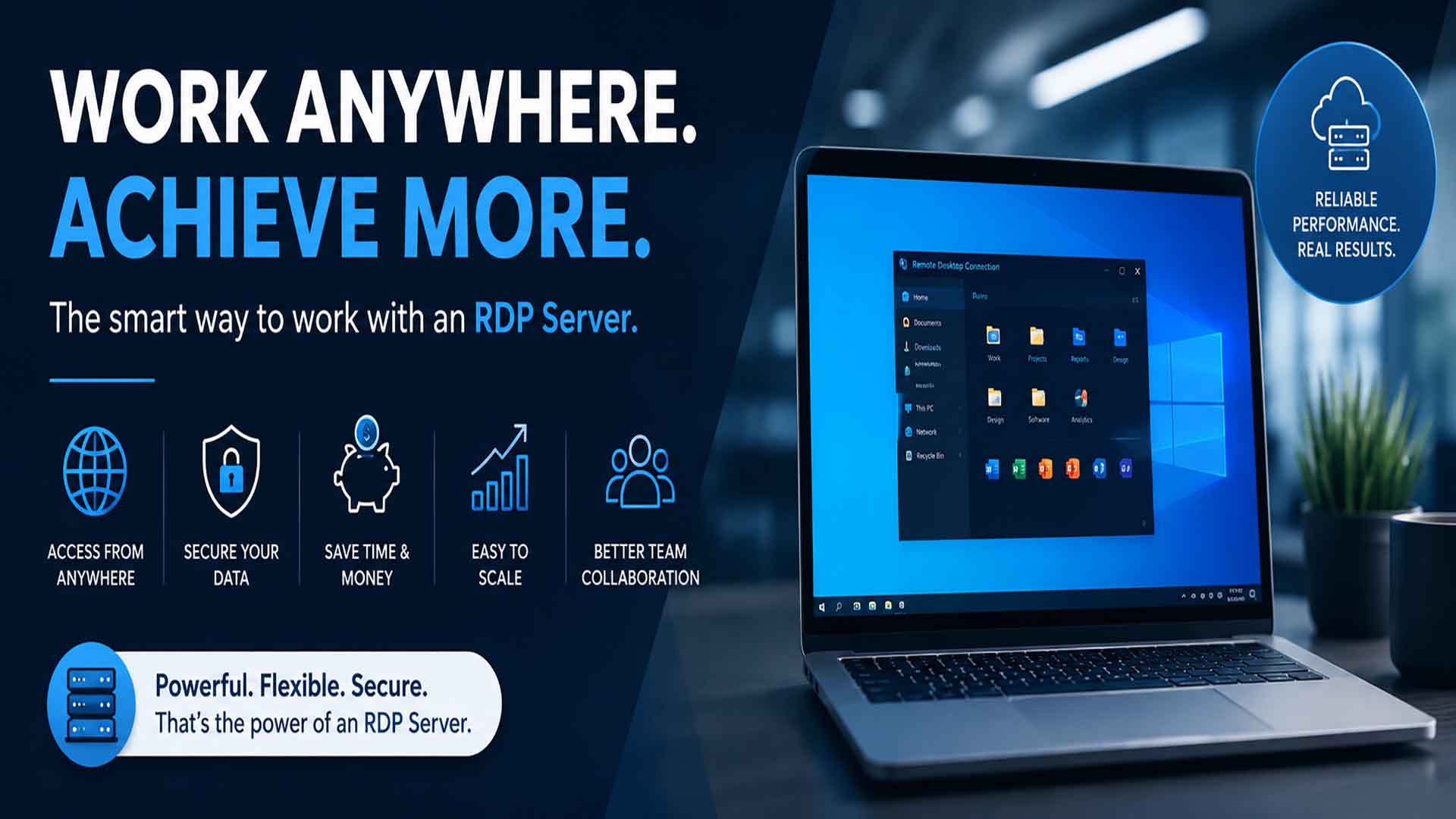
These days, flexibility matters more than ever. Whether you’re running a business, freelancing, or managing remote teams, being able to access your work environment from anywhere is a huge advantage. That’s where Remote Desktop Protocol (Remote Desktop Protocol) comes in.

An RDP server gives you remote access to a computer or server, so you can work as if you were sitting right in front of it—no matter where you are. Sounds simple, but the benefits go much further than convenience.

Work from Anywhere

One of the biggest advantages of using an RDP server is freedom. Whether you’re at home, in a café, or traveling abroad, your full desktop is always just a login away.

That means:

  • access your files anytime
  • use your software from any device
  • stay productive wherever you are

For remote teams and digital businesses, this is a game changer.

Better Security

Storing important files and applications on a central server instead of individual devices adds an extra layer of protection.

Why it helps:

  • less risk if a laptop gets lost or stolen
  • centralized backups
  • easier security management
  • better control over who can access what

When combined with tools like Virtual Private Network and multi-factor authentication, an RDP setup can be very secure.

Save Money

Not every employee needs a high-end workstation when the heavy lifting happens on the server.

That can reduce costs on:

  • hardware
  • maintenance
  • software deployment
  • IT support

Especially for growing businesses, that adds up quickly.

Easy to Scale

Need to add more users or resources? No problem.

An RDP environment grows with your business. You can scale up without replacing your entire setup, which makes it ideal for startups and expanding teams.

Centralized Management

Managing multiple computers individually can be a headache. With an RDP server, everything runs from one central location.

That means:

  • faster updates
  • easier troubleshooting
  • less downtime
  • more efficient IT management

Access More Power

Working on a basic laptop but need serious computing power? An RDP server lets you connect to a much stronger machine remotely.

Perfect for:

  • design work
  • development
  • video editing
  • data analysis
  • resource-heavy applications

Your local device doesn’t need to do the hard work—the server does it for you.

Better Team Collaboration

When everyone works in the same centralized environment, collaboration becomes easier.

Teams can:

  • access shared files instantly
  • avoid version conflicts
  • work faster together
  • stay organized

That’s especially useful for distributed or international teams.

Final Thoughts

An RDP server isn’t just a tool for IT professionals anymore—it’s a smart solution for anyone who wants more flexibility, better security, and a more efficient way to work.

Whether you’re a business owner, freelancer, or part of a remote team, using an RDP server can make your workflow smoother, simpler, and a lot more productive.

Employee Training

Employee training is a critical success factor for organizations aiming to meet and sustain the requirements of the ISO 9001 standard established by the International Organization for Standardization. The standard emphasizes not only the documentation of processes within a Quality Management System (QMS), but also the ability of employees to understand and correctly apply those processes in their daily work.

A core requirement of ISO 9001 is employee competence. Organizations must ensure that their staff possess the necessary skills, knowledge, and experience to perform their tasks effectively and in line with quality standards. Without structured training programs, this requirement is difficult to achieve. Training ensures that employees clearly understand procedures, responsibilities, and quality objectives, reducing the likelihood of errors and inconsistencies.

Furthermore, training strengthens quality awareness across the organization. ISO 9001 explicitly requires that employees understand the company’s quality policy and their individual contribution to achieving quality objectives. Well-designed training programs foster this understanding by explaining the purpose behind processes, identifying potential risks, and demonstrating how each employee contributes to customer satisfaction.

Another important benefit of employee training is error prevention. Well-trained employees are better equipped to identify potential issues early and take proactive measures. This reduces costs associated with rework, defects, and customer complaints, while improving overall operational efficiency. In a system that focuses on continuous improvement, such as ISO 9001, this proactive mindset is essential.

Training also enhances an organization’s ability to adapt to change. Standards, technologies, and market conditions are constantly evolving. Continuous training ensures that employees stay up to date and are capable of implementing changes effectively within the Quality Management System.

Additionally, documenting training activities is a key requirement of ISO 9001. Organizations must be able to demonstrate employee competence through records of education, training, and experience. A structured training program simplifies this documentation and provides transparency during internal and external audits.

In conclusion, employee training is not an optional activity but a fundamental requirement for achieving and maintaining ISO 9001 compliance. It bridges the gap between documented procedures and real-world execution, strengthens a culture of quality, and supports continuous improvement. Organizations that invest in their employees’ development build a strong foundation for long-term success and sustained compliance with the standard.

Starlink – Malindi

Advantages of Starlink compared to mobile data in Malindi, Kenya (besides that you don’t need Safaricom or Airtel anymore!)

In areas like Malindi, where mobile networks can be inconsistent or overloaded, Starlink offers several important advantages over mobile data services (such as 4G/5G):

1. Stable high-speed internet in remote or crowded areas

Mobile data in coastal Kenya often depends on local tower coverage and user congestion. Speeds can drop significantly during peak hours or in less-covered zones.

Starlink, on the other hand, uses a low Earth orbit satellite network, providing consistent broadband speeds even in remote or congested areas, without relying on local cell towers.


2. Lower latency than traditional satellite internet (and often more stable than mobile data in weak coverage zones)

Starlink typically offers latency around 20–60 ms, which is suitable for video calls, streaming, and online work.

While mobile data can sometimes achieve similar latency in strong coverage areas, it becomes unstable when:

  • signal strength is weak
  • towers are congested
  • you move between cells

Starlink provides more consistent latency because the connection is direct to satellites rather than dependent on nearby towers.


3. Works anywhere with a clear view of the sky

Mobile internet depends heavily on infrastructure location. In Malindi, coverage can vary between:

  • beach areas
  • rural outskirts
  • hotels or tourism zones

Starlink works almost anywhere, as long as the dish has a clear sky view, making it ideal for coastal or semi-rural environments.


4. No network congestion from local users

Mobile networks often slow down when many people in the same area are online (evenings, tourist season, events).

Starlink uses a global satellite network with much larger capacity per user area, which reduces the typical “slow evenings” problem common with mobile data.


5. Better for remote work, streaming, and stable connectivity

Starlink is generally more reliable for:

  • Zoom/Teams calls
  • HD/4K streaming
  • cloud work and uploads

Mobile data in Kenya can work well, but performance is more variable depending on signal and congestion.

Get your Starlink in Malindi…

APQP

What Is APQP?

APQP (Advanced Product Quality Planning) is a structured framework used in the automotive industry to ensure that products meet customer expectations from concept to production. It is a core requirement of IATF 16949 and supports suppliers in launching products right the first time.

The 5 Phases of APQP

🔹 1. Plan & Define Program

  • Customer requirements
  • Project goals
  • Risk assessment

🔹 2. Product Design & Development

  • Design FMEA
  • Design reviews
  • Validation of specifications

🔹 3. Process Design & Development

  • Process Flow Diagram
  • PFMEA
  • Control Plan
  • Work instructions

🔹 4. Product & Process Validation

  • Production trial runs
  • PPAP submission
  • Capability studies

🔹 5. Feedback & Continuous Improvement

  • Monitoring production
  • Lessons learned
  • Ongoing optimization

APQP Tools We Support

Process Flow Diagrams

Clear visualization of manufacturing steps.

PFMEA

Risk analysis to prevent failures before they occur.

Control Plans

Defined controls for stable, repeatable processes.

MSA

Verification of measurement system capability.

SPC

Statistical monitoring of process performance.

PPAP

Complete documentation package for customer approval.

Why APQP Matters

  • Ensures first‑time quality
  • Reduces delays, rework, and non‑conformities
  • Aligns with IATF 16949 & ISO 9001
  • Supports smooth product launches
  • Strengthens customer confidence

IMDS Management

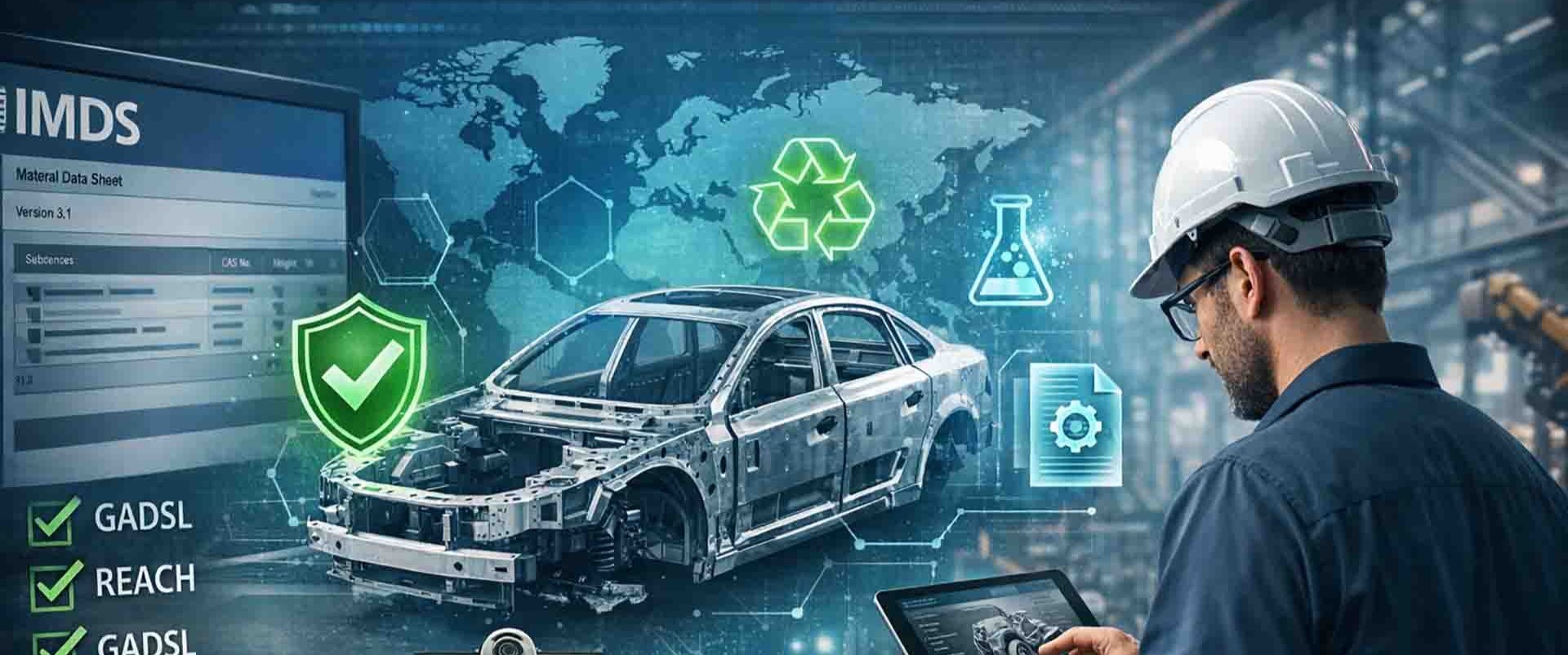
We support suppliers in the automotive industry with fully compliant, audit‑ready IMDS submissions. With more than a decade of experience in quality management and automotive requirements, we ensure that your material data reporting is accurate, complete, and aligned with OEM expectations.

Our approach is simple: We translate complex IMDS rules into clear, correct, and efficient submissions that integrate seamlessly into your existing processes.

What We Deliver

  • Complete IMDS data entry and submission
  • Review and correction of existing IMDS entries
  • Compliance checks according to GADSL, REACH, and OEM-specific requirements
  • Structure and validation of material data sheets (MDS)
  • Support for supplier cascades and data requests
  • Guidance for PPAP‑relevant IMDS documentation
  • Ongoing maintenance for part updates and engineering changes

Every submission is created with a strong focus on accuracy, compliance, and usability, ensuring smooth approval by customers and OEMs.

Quality Documentation Service

Structured. Compliant. Audit‑Ready

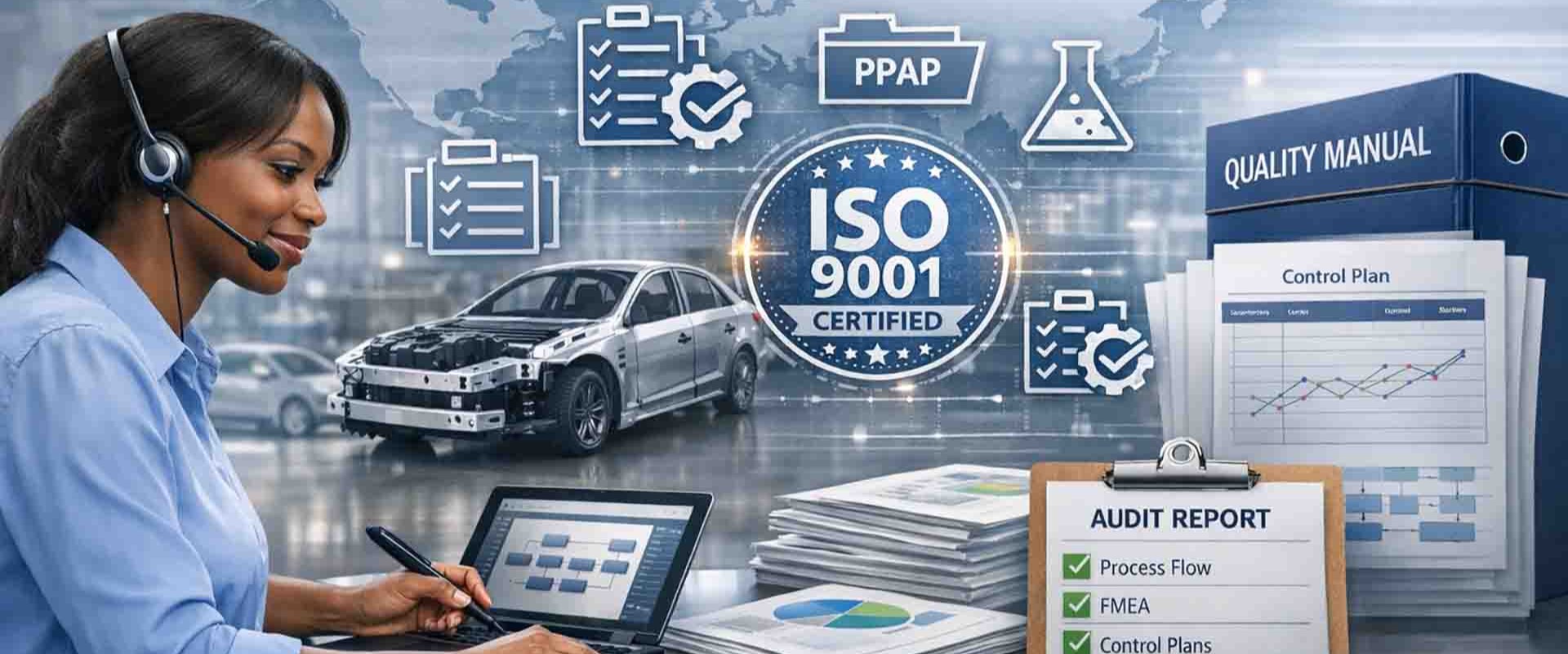
At Kimani Industrial Services, we provide professional, audit‑ready documentation tailored to the requirements of ISO 9001 and IATF 16949. With more than a decade of experience in industrial quality management, we support companies in establishing clear, structured, and compliant documentation that strengthens their processes and ensures long‑term system stability.

Our approach is straightforward:
We translate complex standard requirements into practical, easy‑to‑use documents that fit seamlessly into your existing workflows.

What We Deliver

  • Complete Quality Management documentation
  • Process descriptions and process mapping
  • Work instructions and operational procedures
  • Templates, forms, and checklists
  • Risk and opportunity assessments
  • Internal audit documentation
  • Corrective action and non‑conformity records
  • IATF‑specific documents such as Control Plans, FMEAs, APQP elements, and more

Every document is created with a strong focus on clarity, usability, and full compliance with the latest standard revisions.

Why Companies Choose Us

  • Over 10 years of hands‑on industry experience
  • Tailor‑made documentation instead of generic templates
  • Reliable, efficient, and professional collaboration
  • Deep understanding of ISO and IATF requirements
  • Support from initial setup to certification readiness