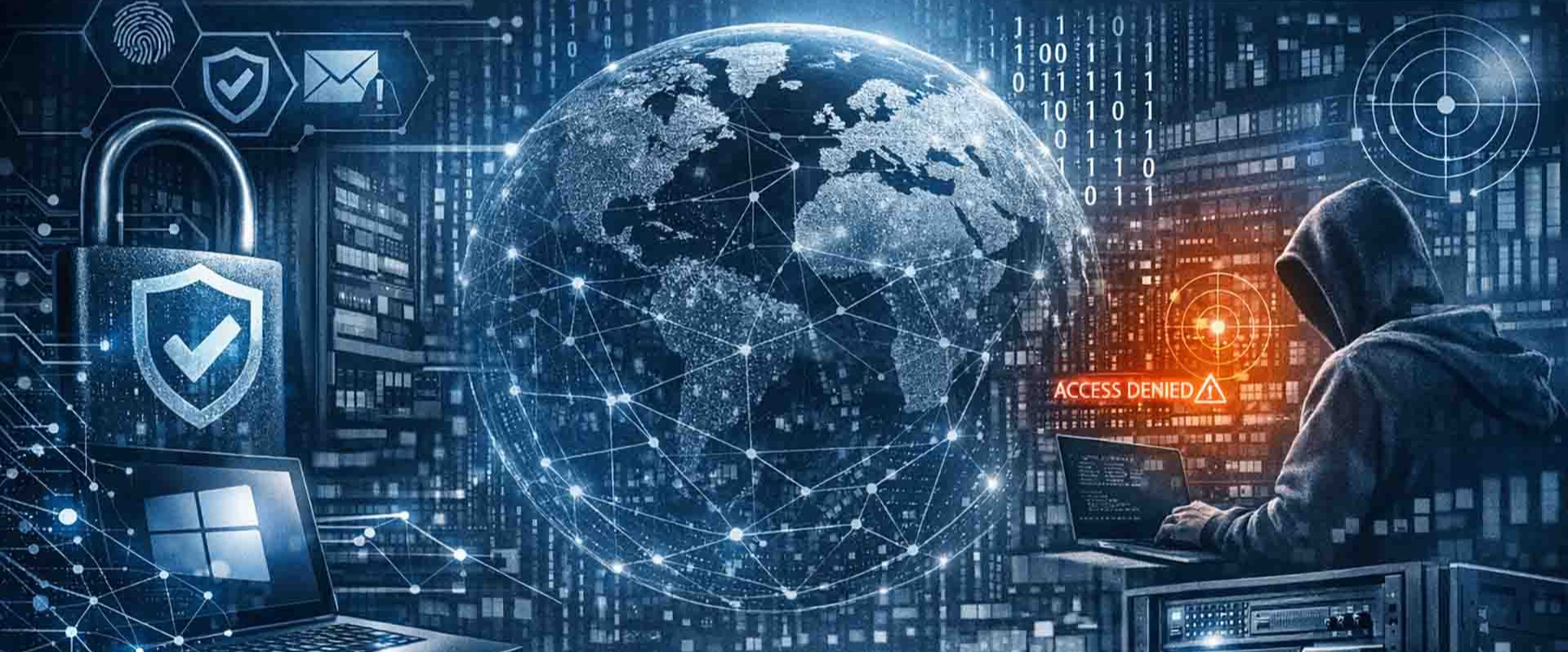
IT safety and security are the backbone of modern business resilience. In 2026, cyber threats have become faster, more automated, and more sophisticated — targeting both cloud and on‑premise systems. Companies must adopt a proactive, layered defense strategy combining technology, process, and awareness to protect data and maintain operational continuity.
The Importance of IT Safety and Security
IT safety and security encompass all measures that protect digital assets, infrastructure, and user data from unauthorized access, damage, or disruption. For organizations like Kimani Industrial Services, which operate hybrid Windows‑Linux networks, maintaining strong security controls is essential to ensure system integrity and client trust.
Key Objectives
- Confidentiality: Prevent unauthorized access to sensitive data.
- Integrity: Ensure data accuracy and prevent tampering.
- Availability: Keep systems and services operational even under attack.
Core Components of a Modern Security Framework
| Area | Description | Example Tools |
|---|---|---|
| Network Security | Firewalls, intrusion detection, and segmentation to block unauthorized traffic. | pfSense, Cisco ASA |
| Endpoint Protection | Antivirus, patch management, and device control for all connected systems. | Microsoft Defender, CrowdStrike |
| Access Management | Identity and Access Management (IAM) and multi‑factor authentication. | Azure AD, Okta |
| Data Protection | Encryption, backup, and secure storage. | BitLocker, VeraCrypt |
| Monitoring & Response | Continuous threat detection and incident response. | SIEM systems like Splunk or Sentinel |
| User Awareness | Training to prevent phishing and social engineering. | Security awareness programs |
Hybrid Network Security: Windows and Linux Side by Side
Hybrid infrastructures require unified security policies across both platforms:
- Centralized authentication via Active Directory or LDAP integration.
- Consistent patching and vulnerability management for both OS types.
- Cross‑platform monitoring using tools like Nagios, Zabbix, or Azure Sentinel.
- Secure communication protocols (SSH, HTTPS, VPN) to protect data in transit.
Emerging Threats in 2026
- Ransomware automation: Attacks can encrypt entire networks in under an hour.
- Supply chain compromises: Exploiting open‑source packages and dependencies.
- AI‑driven phishing: Personalized social engineering campaigns.
- Cloud misconfigurations: Leading to data leaks and unauthorized access.
Best Practices for Businesses
- Implement Zero‑Trust Architecture — never assume internal traffic is safe.
- Regularly audit configurations and access rights.
- Use encryption everywhere — at rest and in transit.
- Maintain backups offline and test recovery procedures.
- Train employees to recognize and report suspicious activity.
- Engage professional IT partners for continuous monitoring and compliance.
Conclusion
IT safety and security are not one‑time projects but ongoing commitments. By combining robust technology, disciplined processes, and user awareness, organizations can protect their digital assets and maintain trust in an increasingly connected world. For hybrid environments like those managed by Kimani Industrial Services, a unified, proactive approach ensures that both Windows and Linux systems remain secure, resilient, and ready for the future.